

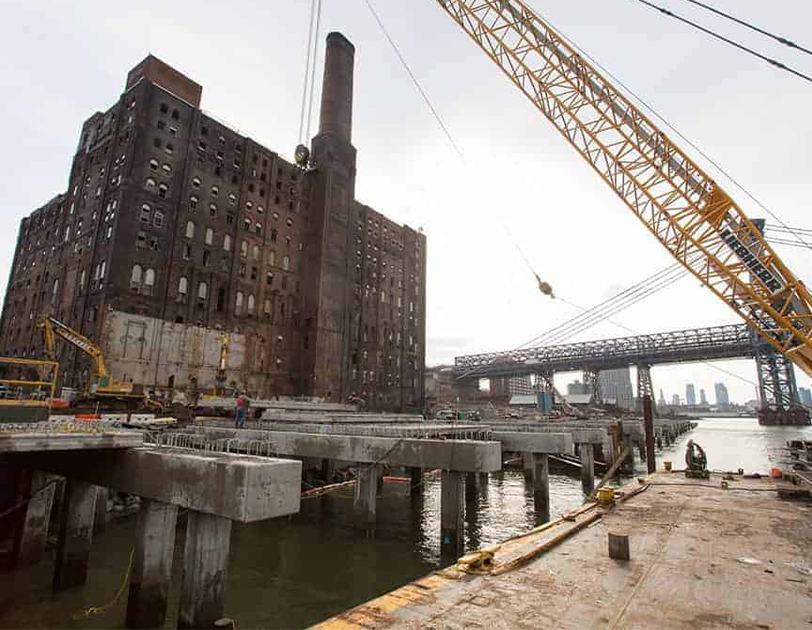
Special machines handle soft soils and deep-water edges with precision. Stable platforms support piles driven into uneven ground near shorelines. Teams rely on Marine and foundation contractors in New York when matching gear to tidal ranges and load needs. Cranes lift heavy sections into place during short work windows. Barges carry materials across open water without road limits. Regular checks keep every unit ready for changing weather.
Crane Load Capacities
Large cranes place long piles into deep soil layers. Their reach covers wide areas from a single setup point. Operators adjust angles to match shifting tides. Safety systems stop movement if winds rise too high. Additional site surveys confirm ground strength before the first lift. Weather forecasts guide daily start times for outdoor units.
Barge Transport Roles
Floating decks move oversized parts across open channels. They reduce the need for temporary land roads.
- Position barges at stable anchor points before loading begins.
- Secure all materials with rated straps for open water travel.
- Monitor water depth under the hull during full loads.
- Schedule crossings at high tide for better clearance.
- Inspect hull integrity after every completed transport run.
- Coordinate radio signals between barge and shore crews.
- Limit deck weight to the certified maximum capacity.
- Clear decks fully before returning to the loading site.
Pile Driving Sequences
Drivers push supports deep into soft or rocky layers. Vibration levels stay controlled to protect nearby structures. Depth meters confirm each pile reaches the planned level. Crews pause for soil tests between major sections.
What Determines Equipment Choice Today?
Soil reports and water depth set the first limits. Available work windows further narrow the options. Heavier units handle larger diameters but need stronger support. Lighter units move faster between locations yet carry less force. Matching both factors keeps the schedule realistic. Site access also affects the final selection. Narrow channels block wider barges. Soft banks limit crane outrigger placement. Early measurements prevent later changes.
Maintenance Timing Rules
Daily visual checks catch wear before failure. Scheduled service follows the hours each unit has run. Parts stay stocked for common replacements. Records track every repair for later review.
Support System Links
Pumps remove water from excavation zones. Generators supply power when shore lines are distant. Marine and foundation contractors in New York coordinate these units with the main machines. Clear communication keeps the full set working as one.
Common Project Questions
Frequent questions receive short practical replies below.
- How deep can standard piles reach in soft soil? Most units drive beyond forty feet with proper setup.
- What limits crane use during high winds? Safety systems lock movement above set wind speeds.
- Do barges operate in all tide conditions? Shallow drafts allow work across most tidal ranges.
- When should daily equipment checks occur? Complete them before the first shift begins each day.
- Are backup generators required on every site? Yes, when shore power remains unreliable or distant.
- How often do vibration monitors need calibration? Monthly checks keep readings accurate during driving.
Steady Site Practices
Reliable machines form the base of every successful project. Regular checks and correct matching to site conditions prevent most delays. Heavy Equipment Behind Modern Marine Foundation Contractors Work depends on disciplined daily routines. Simple records of hours and repairs guide future choices. Consistent attention to capacity limits and weather windows delivers dependable results across repeated waterfront tasks.


