

Two waterfront rentals can look nearly identical on a listing site. Same square footage. Same view. Rent within a hundred bucks of each other. What the listing skips is who actually runs the place day to day, and that’s the detail most renters don’t think about until they’ve already lived through a maintenance request or two.
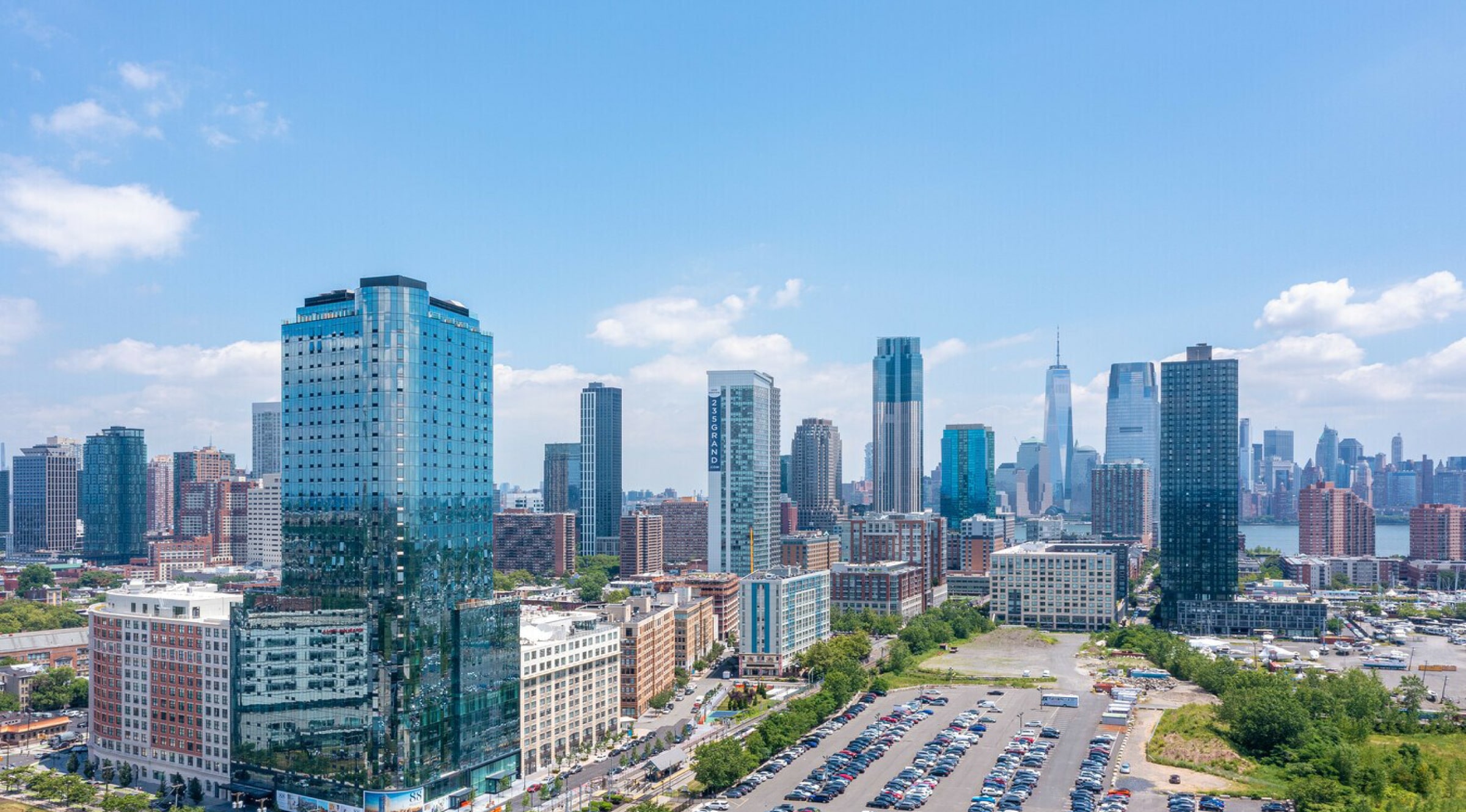
Quiet factor, this one, behind how Liberty Harbor compares to other Jersey City waterfront communities. Almost never shows up in the marketing copy.
Two different ownership models, two different experiences
Most large waterfront communities are run by institutional owners, big portfolios spanning dozens of buildings across several cities. Professional, efficient, usually well capitalized. But staff often rotate between properties, and decisions about maintenance priorities or amenity upgrades get made somewhere up a corporate chain, not on site.
A smaller number of communities are run by a single owner with one property, sometimes one neighborhood, as their primary focus. Different incentive structure entirely. The team works on site, day in and day out, and there’s no other portfolio pulling attention away.
Neither model is automatically better. Depends what you’re actually looking for.
What to check before you commit to either
Ask how long the on-site staff has actually been there. High turnover tends to say something about how the place gets run underneath the polish.
Find out who handles maintenance requests directly. Is it the same face each time, or a rotating pool of contractors nobody on staff really knows? Then there’s how decisions get made about shared spaces, since a single owner can usually move on a fix faster than a portfolio waiting on approval up a chain. And reviews are worth reading specifically for mentions of staff by name. That kind of familiarity shows up a lot more in owner-run places than in ones managed at scale.
Why maintenance speed depends on more than good intentions
A maintenance request in a large institutional building often routes through a ticketing system before reaching an actual technician, and that system exists for good reason, since managing hundreds of units requires some kind of structure. Still, structure adds steps. A smaller, owner-run operation sometimes skips several of those steps entirely, since the person answering your call might be the same person showing up with a wrench an hour later.
That doesn’t mean institutional buildings are slow across the board. Plenty run tight operations with clear response times and real accountability. The difference tends to show up more in consistency than in any single interaction. One good experience doesn’t tell you much either way.
The tradeoff worth thinking through honestly
Bigger portfolios usually bring more amenities and a certain professional polish, sometimes better pricing through sheer scale. Smaller, owner-run places trade some of that polish for continuity. Staff who know your name. Something closer to an actual neighborhood than a managed product with a leasing office attached.
On this specific point, reviews touching on how Liberty Harbor compares to other Jersey City waterfront communities tend to split right along that line. Residents who care more about personal familiarity than corporate polish describe a pretty different day to day than the ones comparing amenity lists across large institutional portfolios.
Neither answer is wrong. It just depends on what you’d actually rather deal with when something breaks at nine in the evening. A phone number for a person you recognize, or a ticket number and a queue.


