Authoradmin

Discover and learn more about new braunfels car shop for Vehicle Customization Opportunities

D

Vehicle owners often want changes that match their driving needs and personal preferences. Custom work can improve appearance, update selected parts, or change certain driving features. Understanding available options helps owners make sensible choices. Those who learn more about new braunfels car shop services can compare suitable modifications before starting a project. A clear plan also helps control spending and avoid unnecessary changes. Careful decisions keep each project focused on its intended purpose.

Understanding Personal Modification Needs

Every vehicle owner has different priorities. Some prefer exterior changes while others focus on engine performance or handling. Identifying these needs helps determine which services deserve attention.

Custom Work Options

Customization may involve small changes or larger improvements. The right choice depends on the vehicle’s condition and the owner’s budget.

Popular Vehicle Customization Choices

Different modifications serve different purposes. Reviewing the available options helps owners prepare for useful discussions with automotive professionals.

  • Exterior body changes can give vehicles a distinct appearance.
  • Wheel upgrades can change the overall look of a car.
  • Exhaust modifications can alter sound and selected performance characteristics.
  • Interior updates can improve layout and personal style.
  • Suspension changes can affect ride height and handling.
  • Engine modifications may improve performance when properly planned.
  • Lighting upgrades can change visibility and exterior appearance.
  • Custom paintwork can refresh the vehicle’s visual identity.

learn more about new braunfels car shop

Planning Each Project Carefully

A clear plan helps prevent unnecessary spending. Owners should decide which changes matter most before approving work. They should also discuss parts availability and expected completion dates. Written estimates make project costs easier to review.

What Should Owners Consider Before Customizing Their Vehicles?

Vehicle condition should guide every customization decision. Existing damage or worn parts may need attention before upgrades begin. Owners should also consider local regulations and the effect of modifications on warranties or insurance.

Budget planning is equally important. Discussing labor costs and replacement parts helps establish realistic expectations. Before selecting a service provider, learn more about new braunfels car shop options by reviewing relevant service details and preparing specific questions. Clear communication helps owners understand the proposed work. It also reduces confusion about costs and project requirements.

Choosing Suitable Parts

Parts should match the vehicle’s specifications and intended use. Poorly matched components may create fitting problems or affect performance. Confirming compatibility before installation can prevent avoidable repairs.

Preparing for Custom Work

A little preparation makes project management easier. The following checklist highlights details worth confirming before work begins.

  • Confirm the vehicle model and production year.
  • Record existing damage before handing over the vehicle.
  • Request a written estimate for planned work.
  • Check whether replacement components are readily available.
  • Agree on a suitable completion date.
  • Keep records of installed parts and service details.

Common Customization Questions

  • Can older vehicles receive custom upgrades? Yes, suitable changes depend on condition and parts availability.
  • Should owners customize vehicles in stages? Staged work can help spread costs across manageable steps.
  • Are all aftermarket parts compatible? No, compatibility depends on the vehicle and component specifications.
  • Do modifications affect insurance? Some changes may affect coverage, so owners should contact their insurer.
  • Should estimates include labor charges? Yes, a detailed estimate should explain labor and parts costs.
  • Can customization change maintenance needs? Certain modifications may require additional inspections or specific maintenance routines.

Making Better Project Decisions

Successful customization depends on sensible choices and careful execution. Owners should focus on suitable parts rather than unnecessary additions. Clear estimates and realistic schedules help keep work organized. Regular checks can also reveal problems before they become expensive. A consistent approach allows each change to serve a clear purpose without demanding perfection.
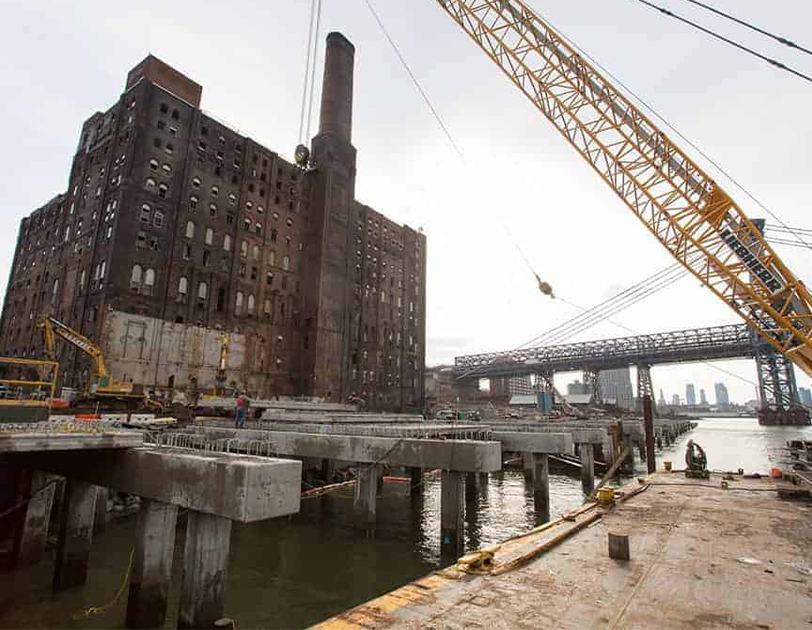

Heavy Equipment, Behind Modern Marine Foundation, Contractors Work

H

Special machines handle soft soils and deep-water edges with precision. Stable platforms support piles driven into uneven ground near shorelines. Teams rely on Marine and foundation contractors in New York when matching gear to tidal ranges and load needs. Cranes lift heavy sections into place during short work windows. Barges carry materials across open water without road limits. Regular checks keep every unit ready for changing weather.

Crane Load Capacities

Large cranes place long piles into deep soil layers. Their reach covers wide areas from a single setup point. Operators adjust angles to match shifting tides. Safety systems stop movement if winds rise too high. Additional site surveys confirm ground strength before the first lift. Weather forecasts guide daily start times for outdoor units.

Barge Transport Roles

Floating decks move oversized parts across open channels. They reduce the need for temporary land roads.

  • Position barges at stable anchor points before loading begins.
  • Secure all materials with rated straps for open water travel.
  • Monitor water depth under the hull during full loads.
  • Schedule crossings at high tide for better clearance.
  • Inspect hull integrity after every completed transport run.
  • Coordinate radio signals between barge and shore crews.
  • Limit deck weight to the certified maximum capacity.
  • Clear decks fully before returning to the loading site.

Marine and foundation contractors in New York

Pile Driving Sequences

Drivers push supports deep into soft or rocky layers. Vibration levels stay controlled to protect nearby structures. Depth meters confirm each pile reaches the planned level. Crews pause for soil tests between major sections.

What Determines Equipment Choice Today?

Soil reports and water depth set the first limits. Available work windows further narrow the options. Heavier units handle larger diameters but need stronger support. Lighter units move faster between locations yet carry less force. Matching both factors keeps the schedule realistic. Site access also affects the final selection. Narrow channels block wider barges. Soft banks limit crane outrigger placement. Early measurements prevent later changes.

Maintenance Timing Rules

Daily visual checks catch wear before failure. Scheduled service follows the hours each unit has run. Parts stay stocked for common replacements. Records track every repair for later review.

Support System Links

Pumps remove water from excavation zones. Generators supply power when shore lines are distant. Marine and foundation contractors in New York coordinate these units with the main machines. Clear communication keeps the full set working as one.

Common Project Questions

Frequent questions receive short practical replies below.

  • How deep can standard piles reach in soft soil? Most units drive beyond forty feet with proper setup.
  • What limits crane use during high winds? Safety systems lock movement above set wind speeds.
  • Do barges operate in all tide conditions? Shallow drafts allow work across most tidal ranges.
  • When should daily equipment checks occur? Complete them before the first shift begins each day.
  • Are backup generators required on every site? Yes, when shore power remains unreliable or distant.
  • How often do vibration monitors need calibration? Monthly checks keep readings accurate during driving.

Steady Site Practices

Reliable machines form the base of every successful project. Regular checks and correct matching to site conditions prevent most delays. Heavy Equipment Behind Modern Marine Foundation Contractors Work depends on disciplined daily routines. Simple records of hours and repairs guide future choices. Consistent attention to capacity limits and weather windows delivers dependable results across repeated waterfront tasks.

Sewer Line Repair Solutions for Preventing Recurring Household Drainage Issues

S

Persistent wastewater blockage causes major structural disruption across residential property spaces daily. Quality plumbing installation maintains long-term structural safety throughout home foundations. Advanced line evaluation discovers underground pipe cracks before severe structural collapse occurs. Modern restoration techniques clean waste pipelines using high-pressure water spray equipment. Property owners can restore smooth drainage and dependable performance with flow plumbing in garland.

Professional Video Camera Pipe Inspection

High-resolution camera devices enter underground pipelines to inspect severe internal pipe cracks. Specialists locate deep blockage zones without digging expansive property trench lines open. Exact visual data guides appropriate restoration choices quickly and efficiently. Regular camera checks prevent massive pipe failures within home structural foundations.

Trenchless Pipe Lining Repair Methods

Trenchless lining restores damaged waste pipes through strong epoxy lining insertion. This procedure avoids ruining outdoor grass areas or concrete walkways during maintenance work. Durable internal epoxy coating stops roots from penetrating standard pipe joints. Modern homeowners benefit from lasting pipe restoration with flow plumbing in garland, delivering efficient repairs with minimal outdoor disruption.

flow plumbing in garland

High Pressure Water Pipe Jetting

Extreme water jet pressure removes thick grease buildup inside waste disposal systems effectively.

  • Strong water pressure blasts stubborn tree root obstacles completely away.
  • Heavy water streams clean inner pipe walls without chemical damage.
  • Continuous jetting actions restore original interior pipe volume capacity immediately.
  • Regular pipe flushing actions stop foul odors from rising upward.
  • Clean pipe interiors ensure fast liquid disposal across entire systems.

Root Barrier Shield Pipe Protection

Invasive tree roots often grow toward tiny moisture leaks inside underground pipes. Installing protective root shields diverts aggressive root growth away from buried utility pipelines. Special root block chemicals discourage vegetation from approaching vulnerable joint connections. Safe root barriers protect underground pipe structures for many consecutive years.

Scheduled System Maintenance Routine Checks

Preventive maintenance routines protect waste pipelines against unexpected structural blockages. Timely professional inspections detect minor pipe defects before massive water backup happens. Cleaning collection basins frequently prevents solid waste materials from clogging lines. Consistent care protects entire residential water disposal networks successfully forever.

Proper care preserves home wastewater networks and reduces expensive structural repair costs. Quick intervention stops hidden pipe damage from spreading across home foundation areas. Professional solutions maintain continuous wastewater removal without frequent system blockages. Modern pipe protection techniques guarantee reliable long-term wastewater disposal results.

FAQ

Which step prevents recurring household wastewater disposal pipe blockages?

Scheduled inspection stops structural pipe defects before major damage occurs.

How do specialists detect underground pipe cracks without digging trenches?

Camera inspection devices discover subterranean pipe damage without excavation work.

Why do homeowners select trenchless lining repair options today?

Trenchless lining fixes internal pipe cracks without destroying outdoor property.

Sedan, SUV or Truck? Picking the Right Body Style

S

The hardest part of buying a new car often isn’t the price. It’s working out what kind of vehicle you actually need. Plenty of people walk onto a lot set on an SUV because everyone seems to have one, then realise a sedan would have suited them better. Before you start scrolling through https://www.toyotaofboerne.com/new-vehicles-san-antonio, it’s worth spending ten minutes being honest about how you really drive.

Start With Your Week, Not Your Dream

Think about a normal week, not the one road trip you take each year. How far’s the commute? Mostly highway, or stop-start traffic? How many people are usually in the car? Do you carry anything bigger than groceries?

Jot it down if it helps. Most people find their everyday driving is a lot simpler than the vehicle they were picturing.

When an SUV Is Worth It

SUVs earn their place in a few clear situations. You sit higher, which a lot of drivers like. Car seats are easier to deal with. And the back swallows strollers, sports bags and the weekend’s luggage without a fight.

Size Matters More Than You’d Think

Compact SUVs like the RAV4 suit small families and active couples. Three-row SUVs make sense if you regularly carry more than four people. Don’t jump straight to the biggest one, though. A huge SUV you only fill twice a year is a lot of car to squeeze into a parking garage.

https://www.toyotaofboerne.com/new-vehicles-san-antonio

When You Really Need a Truck

Trucks are brilliant at what they’re built for: towing, hauling and rough ground. Tow a boat? Carry tools for work? Spend weekends on dirt roads? A Tundra or Tacoma will make life a lot easier.

Be Honest About the Hauling

If you tow once a year, renting a truck for that weekend might be cheaper than owning one. Trucks drink more fuel and can be awkward in tight spots. But if you’re using the bed and the hitch most weeks, nothing else really compares.

Hybrid or Gas?

Toyota has leaned hard into hybrids, and a lot of body styles now come with one. If you do plenty of city driving, a hybrid can cut your fuel bill noticeably, because the electric motor does more of the work at low speeds. The Prius is the famous one, but hybrid sedans and SUVs are everywhere now.

Narrowing It Down Online

Once you’ve got a rough idea, the new inventory at https://www.toyotaofboerne.com/new-vehicles-san-antonio lets you browse by body style, so sedans, trucks, SUVs and coupes sit side by side. Pick two or three and save them so you’re not starting over every time.

Look Past the Photos

Check the trim level, the main features, and whether the vehicle’s actually in stock on the lot or just available to order. Those details change the price and how soon you can drive away.

Then Go Sit in Them

Nothing beats a test drive. Bring whatever you usually carry, whether that’s the car seat, the golf bag or the dog crate, and see how it fits. Sit in the back seat. Try parking it. Drive the kind of roads you actually use.

How Invisalign Aligner Staging Sequences Determine Treatment Duration and Tooth Movement Efficiency

H

Understanding the Science Behind Clear Aligner Progression

The journey towards a perfectly aligned smile through clear aligner therapy is far more sophisticated than simply wearing a series of plastic trays. At the heart of successful orthodontic treatment lies a meticulously planned staging sequence—a carefully choreographed series of movements that determines not only how long treatment will take but also how efficiently teeth reach their final positions. For patients considering Invisalign Limerick options, understanding these fundamental principles can provide valuable insight into what makes this treatment approach so effective.

The staging sequence represents the strategic order in which teeth are moved throughout the treatment process. Rather than attempting to shift all teeth simultaneously to their final positions, orthodontic treatment plans break down complex movements into manageable increments. Each aligner in the sequence is designed to move specific teeth by precise amounts, typically between 0.15 and 0.25 millimetres per stage. This measured approach ensures that biological limitations are respected whilst maximising treatment efficiency.

The Biological Framework of Tooth Movement

Tooth movement occurs through a process called bone remodelling, where pressure applied to a tooth causes bone to resorb on one side and form on the other. This biological response has inherent limitations that directly influence how staging sequences must be designed. Research has demonstrated that clear aligner biomechanics and force delivery systems must work within these physiological boundaries to achieve predictable results without causing root resorption or other complications.

How Invisalign Aligner Staging Sequences Determine Treatment Duration and Tooth Movement Efficiency

The rate at which teeth can safely move depends on several factors, including the type of movement required, the condition of the supporting bone, and individual patient biology. Rotational movements, for instance, are notoriously challenging and often require more stages than simple tipping movements. Similarly, bodily movements—where the entire tooth moves parallel to its original position—demand more sophisticated force systems and extended treatment times compared to tipping movements.

Sequential Planning and Treatment Efficiency

Primary Movement Categories

Orthodontic staging sequences typically prioritise movements based on their complexity and interdependence. The initial stages often focus on creating space through expansion or distalization, establishing the foundation for subsequent tooth movements. Mid-treatment stages address the bulk of alignment and rotation corrections, whilst final stages refine positioning and establish proper occlusal relationships.

The sequencing of these movements significantly impacts overall treatment duration. When properly planned by an experienced dentist, certain movements can occur simultaneously without compromising efficiency or predictability. However, attempting to accomplish too many complex movements at once can lead to poor tracking, extended treatment times, and suboptimal results.

The Role of Attachments and Auxiliaries

Staging sequences must also account for the strategic placement and removal of attachments—small composite buttons bonded to teeth that enhance the aligner’s grip and force delivery. These features are often introduced at specific stages when particular movements require additional mechanical advantage. Studies examining the effectiveness of clear aligner treatment protocols have confirmed that properly timed attachment placement correlates strongly with improved treatment outcomes and reduced overall duration.

Similarly, the incorporation of auxiliaries such as elastics or temporary anchorage devices must be precisely staged. These additions typically appear mid-treatment when foundational movements have been established, allowing for more complex corrections like bite adjustments or challenging tooth movements that aligners alone cannot accomplish efficiently.

Factors Influencing Staging Complexity

The complexity of a patient’s malocclusion directly determines the intricacy of the staging sequence required. Mild crowding cases with minimal rotations may require relatively straightforward sequences of 15 to 20 aligners, whilst comprehensive cases involving extraction spaces, significant rotations, or vertical discrepancies may demand 40 or more stages. Research into predictability of tooth movement with clear aligners has identified specific movement types that consistently require additional refinement stages.

Patient compliance also influences the effectiveness of any staging sequence. Each aligner must be worn for the prescribed duration—typically one to two weeks—to achieve the intended movement before progressing to the next stage. Inadequate wear time disrupts the carefully planned sequence, potentially necessitating additional refinement stages and extending overall treatment duration.

Optimising Treatment Outcomes Through Strategic Sequencing

The art and science of creating effective staging sequences continues to evolve with advances in digital planning software and clinical research. Modern treatment planning incorporates sophisticated algorithms that predict tooth movement patterns and automatically generate staging sequences optimised for efficiency. However, clinical expertise remains essential for refining these digital proposals, accounting for individual patient factors that algorithms cannot fully anticipate.

Understanding how staging sequences function provides patients considering Invisalign treatments with realistic expectations regarding treatment duration and the progressive nature of tooth movement. Well-designed sequences balance biological limitations with treatment efficiency, ultimately determining whether a case progresses smoothly or requires multiple refinement phases to achieve the desired outcome.

Emerging Findings Expand Scientific Perspectives on Peptides Affecting Testosterone-Related Functions

E

Recent research is giving scientists a clearer view of how peptide signals may interact with hormone-related processes. These small biological messengers can influence communication between cells. Researchers are examining their possible roles across several physiological pathways. The best peptides for testosterone by Musculoskeletal Key may appear during searches for research-based information. However, scientific findings still require careful review. New observations can improve understanding without proving every proposed effect.

Peptide Signals Guide Cellular Communication

Peptides can act as biological messengers between cells.Their signals may influence processes linked to hormone regulation.Researchers study these interactions to understand their wider effects.

Research Tracks Several Biological Responses

Current investigations examine different parts of hormone related activity.Each approach can provide useful information about specific responses.

  • Researchers compare peptide signals across different biological conditions.
  • Laboratory models help examine cellular responses under controlled settings.
  • Hormone measurements provide useful data about changing biological activity.
  • Receptor studies show how cells respond to specific signals.
  • Researchers monitor timing because responses may change over periods.
  • Participant differences can influence results across human investigations.
  • Control groups help separate tested effects from unrelated changes.
  • Repeated studies can strengthen confidence in consistent observations.

Cellular Receptors Shape Peptide Responses

A peptide signal needs a suitable receptor to create cellular activity.Receptor location and availability can affect the resulting response.Researchers therefore examine these connections before drawing broader interpretations.

Emerging Findings Expand Scientific Perspectives on Peptides Affecting Testosterone-Related Functions

How Do Peptide Signals Affect Hormone Regulation?

Peptide activity may influence hormone related processes through several communication routes. Some signals may interact with receptors that affect cellular instructions. Others may influence upstream messages involved in endocrine regulation.

Study Design Shapes Research Interpretation

The quality of new findings depends heavily on study design.Researchers must consider participant numbers and observation periods carefully.Clear methods make results easier to compare across investigations.

Emerging Evidence Needs Careful Context

New observations can reveal useful biological patterns without providing complete answers.Researchers must separate early findings from established scientific evidence.This distinction helps prevent broad claims based on limited observations.

Research area Main question Useful evidence
Cellular activity How do receptors respond? Controlled laboratory measurements
Hormone levels Do measured levels change? Repeated biological testing
Study duration Do responses persist? Longer observation periods
Participant range Do results vary between people? Broader study groups
Research comparison Are findings consistent? Similar methods across studies

A study may show that a peptide affects one cellular process. That does not automatically mean it produces the same response throughout the body. Biological pathways can interact in unexpected ways. Researchers therefore examine several measurements before forming stronger interpretations.

When people encounter best peptides for testosterone by Musculoskeletal Key during research searches, they should focus on the evidence behind any related claim. Search terms do not establish safety, effectiveness, or scientific validity. Those points require appropriate research.

Future Studies May Clarify Unanswered Questions

Further investigations may focus on longer observation periods and broader participant groups.Researchers may also compare methods to improve consistency across studies.These steps can help clarify which findings remain uncertain.

Steady Research Builds Reliable Knowledge

Careful investigation remains important when biological responses involve several connected processes.Researchers can improve clarity through consistent methods and detailed reporting.Future evidence may explain which observations remain meaningful across different conditions.Scientific interpretation should remain based on measured results rather than broad claims.

Emerging Findings Expand Scientific Perspectives on Peptides Affecting Testosterone Related Functions by encouraging closer examination of biological connections while recognizing the limits of current evidence.

Broader Pre-Owned Auto Selections Give Houston Shoppers Greater Variety

B

Buying previously owned transportation now involves more careful comparison before purchase.Wider inventories allow shoppers to consider condition history and cost before deciding.The resource https://www.spacecitytoyota.com/used-vehicles-houston provides another useful starting point during research.Clear information helps buyers compare available choices without unnecessary purchasing pressure.Organized research creates stronger decisions while reducing confusion during selection processes.

Wider Inventory Supports Better Comparisons

A larger inventory gives shoppers more room for meaningful comparisons.Different price levels also support households working within planned budgets.

Condition should receive attention because previous usage can affect future reliability. Maintenance records may also reveal how carefully an option was handled. Mileage provides another useful detail when reviewing overall value carefully. Buyers should compare several factors rather than following appearance alone. A measured review often creates greater confidence before making commitments.

Purchase Planning Improves Buyer Confidence

Setting clear priorities keeps purchasing decisions focused on actual requirements.Budget limits also prevent unnecessary spending during the comparison process.

Comparison Area Information Worth Reviewing Main Purpose
Previous care Service records plus maintenance details Shows earlier upkeep quality
Usage level Recorded mileage plus ownership period Indicates previous operating demands
Overall condition Inspection findings plus visible condition Identifies possible future concerns
Purchase amount Current pricing plus comparable listings Supports fair value assessment
Ownership background Available history plus recorded information Provides useful purchasing context

Ownership costs deserve consideration beyond the amount paid initially today. Insurance expenses may change according to age plus other factors. Maintenance planning can also protect household finances from unexpected pressure. Financing terms should receive equal attention before agreements become binding. Careful preparation makes each comparison easier to understand before purchase.

https://www.spacecitytoyota.com/used-vehicles-houston

Important Details Shape Smarter Purchase Decisions

Reliable shopping depends on reviewing information before making serious commitments.Several practical checks can reveal meaningful differences among available selections.

  • Service records provide useful background about previous care routines performed.
  • Mileage readings help buyers estimate previous usage before making decisions.
  • Inspection results reveal possible concerns requiring attention before purchase completion.
  • Pricing comparisons show whether asking amounts match current market conditions.
  • Ownership records offer helpful context regarding earlier usage patterns.

Shoppers should also consider future expenses before deciding which option fits. Registration costs plus routine upkeep can influence overall affordability considerably. A lower purchase amount may not always represent stronger value. Long term planning creates a clearer picture of actual ownership costs.

Smarter Choices Ahead

Strong purchasing decisions grow from patience plus careful factual evaluation.Clear comparisons allow buyers to separate genuine value from appearances.Useful records reduce uncertainty while supporting responsible financial planning choices.A trusted research route through https://www.spacecitytoyota.com/used-vehicles-houston can strengthen informed selection.Thoughtful preparation ultimately turns broader availability into meaningful purchasing value.

Dealing With Limited Patio Space? Compact Planters Create Room For More Greenery

D

Small patios can still support a thriving collection. Smart planter choices free floor area while adding height, texture, and color. Vertical forms make use of overlooked corners, while narrow containers suit tight edges. For apartment gardeners, buy plants and pots online can also simplify finding suitable sizes. The right combinations create breathing room without sacrificing greenery.

Compact planters open valuable floor space

Slim containers preserve walking room around seating. Tall planters also draw foliage upward, reducing visual crowding. Corner models turn awkward gaps into productive growing zones. Choose lightweight materials for balconies requiring frequent rearrangement.

  • Select narrow bases for busy walkways.
  • Raise greenery above low furniture.
  • Group matching pots beside walls.
  • Reserve broad containers for statement plants.

Could vertical planters transform unused corners?

Vertical planters convert blank walls into living displays. Tiered shelves provide separate levels for herbs and flowers. Hanging containers add another growing layer without consuming floor space. For renters, freestanding frames offer flexibility without permanent fixtures.

buy plants and pots online

Match planter shapes with patio zones

Container geometry matters when every centimeter counts. Rectangular boxes suit railings and narrow ledges. Cylindrical pots work better around corners. Before ordering, buy plants and pots online with matching dimensions in mind. Accurate measurements prevent blocked doors, crowded seats, and awkward plant placement.

What plants suit smaller containers?

Compact greenery needs careful pairing with container depth. Herbs, dwarf foliage, trailing vines, and miniature flowering plants offer useful choices. Shallow-rooted varieties need less soil volume. Group plants according to sunlight requirements, then position taller specimens behind shorter growth.

  • Choose herbs for sunny ledges.
  • Add trailing vines above seating.
  • Reserve shade corners for foliage.
  • Use dwarf flowers near entrances.

Smart spacing makes greenery feel abundant

Spacing affects how a patio feels, not simply how much grows. Repeated pot sizes create visual order without consuming extra room. A staggered arrangement also leaves clear paths between containers. Keep taller planters toward walls, allowing lower growth to frame seating areas.

Turn one patio corner into abundance

A narrow corner can become a layered garden rather than dead space. One tall planter, two smaller pots, and a wall-mounted tier can create distinct heights. The result changes how limited space functions: greenery occupies vertical planes, while the floor remains open for movement.

FAQs

Are compact planters suitable for balconies?

Yes, provided container weight suits the balcony. Lightweight pots can reduce unnecessary structural load.

Which planter shape saves the most space?

Narrow rectangular planters work well beside walls. Vertical designs maximize planting area without expanding the footprint.

Can small patios support flowering plants?

Yes, dwarf flowering varieties work effectively. Plant selection should match available sunlight and container depth.

How should compact planters be arranged?

Place taller containers against walls or corners. Keep shorter pots near seating and walking areas.

Why Who Manages Your Building Changes How You Live In It

W

Two waterfront rentals can look nearly identical on a listing site. Same square footage. Same view. Rent within a hundred bucks of each other. What the listing skips is who actually runs the place day to day, and that’s the detail most renters don’t think about until they’ve already lived through a maintenance request or two.

Quiet factor, this one, behind how Liberty Harbor compares to other Jersey City waterfront communities. Almost never shows up in the marketing copy.

Two different ownership models, two different experiences

Most large waterfront communities are run by institutional owners, big portfolios spanning dozens of buildings across several cities. Professional, efficient, usually well capitalized. But staff often rotate between properties, and decisions about maintenance priorities or amenity upgrades get made somewhere up a corporate chain, not on site.

A smaller number of communities are run by a single owner with one property, sometimes one neighborhood, as their primary focus. Different incentive structure entirely. The team works on site, day in and day out, and there’s no other portfolio pulling attention away.

Neither model is automatically better. Depends what you’re actually looking for.

Why Who Manages Your Building Changes How You Live In It

What to check before you commit to either

Ask how long the on-site staff has actually been there. High turnover tends to say something about how the place gets run underneath the polish.

Find out who handles maintenance requests directly. Is it the same face each time, or a rotating pool of contractors nobody on staff really knows? Then there’s how decisions get made about shared spaces, since a single owner can usually move on a fix faster than a portfolio waiting on approval up a chain. And reviews are worth reading specifically for mentions of staff by name. That kind of familiarity shows up a lot more in owner-run places than in ones managed at scale.

Why maintenance speed depends on more than good intentions

A maintenance request in a large institutional building often routes through a ticketing system before reaching an actual technician, and that system exists for good reason, since managing hundreds of units requires some kind of structure. Still, structure adds steps. A smaller, owner-run operation sometimes skips several of those steps entirely, since the person answering your call might be the same person showing up with a wrench an hour later.

That doesn’t mean institutional buildings are slow across the board. Plenty run tight operations with clear response times and real accountability. The difference tends to show up more in consistency than in any single interaction. One good experience doesn’t tell you much either way.

The tradeoff worth thinking through honestly

Bigger portfolios usually bring more amenities and a certain professional polish, sometimes better pricing through sheer scale. Smaller, owner-run places trade some of that polish for continuity. Staff who know your name. Something closer to an actual neighborhood than a managed product with a leasing office attached.

On this specific point, reviews touching on how Liberty Harbor compares to other Jersey City waterfront communities tend to split right along that line. Residents who care more about personal familiarity than corporate polish describe a pretty different day to day than the ones comparing amenity lists across large institutional portfolios.

Neither answer is wrong. It just depends on what you’d actually rather deal with when something breaks at nine in the evening. A phone number for a person you recognize, or a ticket number and a queue.

Community Events Encourage Social Connections within Residential Neighborhoods

C

Regular gatherings help neighbors become familiar through simple shared activities. Community events create natural moments for greetings and friendly conversations. They encourage stronger ties while making shared areas more welcoming. Small occasions help residents find common interests and useful local connections. Shared activities can support trust through familiar contact. For residents considering local housing options, how Liberty Harbor compares to other Jersey City waterfront communities can highlight the value of an active neighborhood setting.

Shared Activities Build Familiar Bonds

Planned gatherings give neighbors reasons to meet beyond daily routines. Seasonal occasions create familiar moments that support friendly contact. A residential setting feels closer when nearby faces become familiar. Simple group activities encourage conversation without creating pressure. Friendly notices can make upcoming occasions easier to join.

  • Casual gatherings create chances for friendly greetings among nearby residents.
  • Group activities encourage neighbors to discover shared interests naturally.
  • Local celebrations provide simple moments for regular social contact.
  • Open gatherings help newcomers become familiar with surrounding households.
  • Shared projects strengthen trust through practical cooperation.

Community Events Encourage Social Connections within Residential Neighborhoods

Welcoming Spaces Encourage Regular Interaction

Well-arranged shared areas can support easy conversations during gatherings. Seating areas encourage short chats while open spaces support group activities. A neighborhood feels more inviting when common areas support social contact. Simple planning can help different age groups participate comfortably. Residential shared areas can support casual contact between gatherings.

Local Participation Supports Stronger Ties

Participation grows when gatherings offer simple activities for different interests. Neighbors can contribute ideas or help organize small occasions. For people considering local living choices, how Liberty Harbor compares to other Jersey City waterfront communities can offer useful context about neighborhood connections. Consistent participation can gradually create stronger familiarity across nearby households.

Thoughtful scheduling can guide future gatherings toward steady neighborhood participation. Clear notices can help households prepare without confusion. Varied activities can welcome different interests while keeping arrangements simple. Repeated contact can strengthen trust through familiar routines. A residential community can grow stronger when people receive regular chances to connect and cooperate. These steps can keep local relationships active over time.

Recent Posts