

Understanding the Science Behind Clear Aligner Progression
The journey towards a perfectly aligned smile through clear aligner therapy is far more sophisticated than simply wearing a series of plastic trays. At the heart of successful orthodontic treatment lies a meticulously planned staging sequence—a carefully choreographed series of movements that determines not only how long treatment will take but also how efficiently teeth reach their final positions. For patients considering Invisalign Limerick options, understanding these fundamental principles can provide valuable insight into what makes this treatment approach so effective.
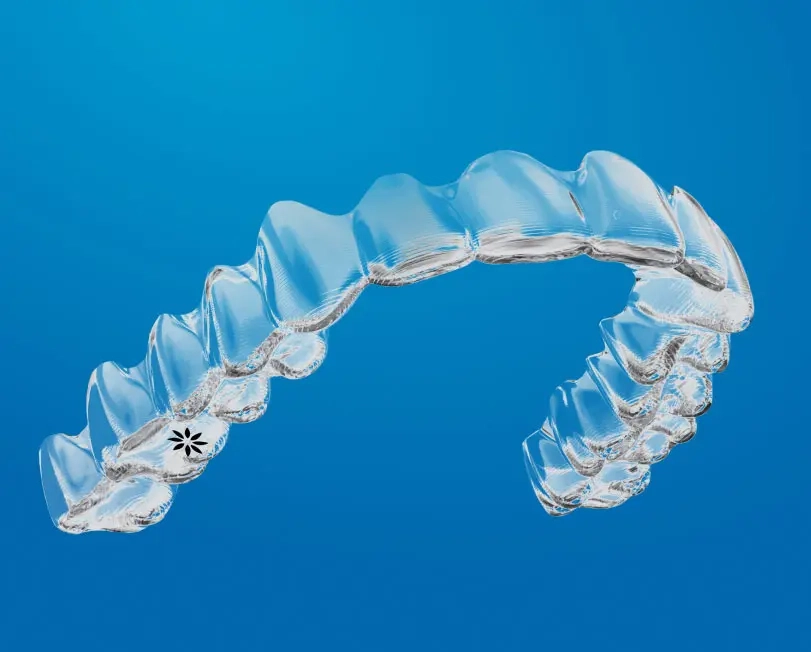
The staging sequence represents the strategic order in which teeth are moved throughout the treatment process. Rather than attempting to shift all teeth simultaneously to their final positions, orthodontic treatment plans break down complex movements into manageable increments. Each aligner in the sequence is designed to move specific teeth by precise amounts, typically between 0.15 and 0.25 millimetres per stage. This measured approach ensures that biological limitations are respected whilst maximising treatment efficiency.
The Biological Framework of Tooth Movement
Tooth movement occurs through a process called bone remodelling, where pressure applied to a tooth causes bone to resorb on one side and form on the other. This biological response has inherent limitations that directly influence how staging sequences must be designed. Research has demonstrated that clear aligner biomechanics and force delivery systems must work within these physiological boundaries to achieve predictable results without causing root resorption or other complications.
The rate at which teeth can safely move depends on several factors, including the type of movement required, the condition of the supporting bone, and individual patient biology. Rotational movements, for instance, are notoriously challenging and often require more stages than simple tipping movements. Similarly, bodily movements—where the entire tooth moves parallel to its original position—demand more sophisticated force systems and extended treatment times compared to tipping movements.
Sequential Planning and Treatment Efficiency
Primary Movement Categories
Orthodontic staging sequences typically prioritise movements based on their complexity and interdependence. The initial stages often focus on creating space through expansion or distalization, establishing the foundation for subsequent tooth movements. Mid-treatment stages address the bulk of alignment and rotation corrections, whilst final stages refine positioning and establish proper occlusal relationships.
The sequencing of these movements significantly impacts overall treatment duration. When properly planned by an experienced dentist, certain movements can occur simultaneously without compromising efficiency or predictability. However, attempting to accomplish too many complex movements at once can lead to poor tracking, extended treatment times, and suboptimal results.
The Role of Attachments and Auxiliaries
Staging sequences must also account for the strategic placement and removal of attachments—small composite buttons bonded to teeth that enhance the aligner’s grip and force delivery. These features are often introduced at specific stages when particular movements require additional mechanical advantage. Studies examining the effectiveness of clear aligner treatment protocols have confirmed that properly timed attachment placement correlates strongly with improved treatment outcomes and reduced overall duration.
Similarly, the incorporation of auxiliaries such as elastics or temporary anchorage devices must be precisely staged. These additions typically appear mid-treatment when foundational movements have been established, allowing for more complex corrections like bite adjustments or challenging tooth movements that aligners alone cannot accomplish efficiently.
Factors Influencing Staging Complexity
The complexity of a patient’s malocclusion directly determines the intricacy of the staging sequence required. Mild crowding cases with minimal rotations may require relatively straightforward sequences of 15 to 20 aligners, whilst comprehensive cases involving extraction spaces, significant rotations, or vertical discrepancies may demand 40 or more stages. Research into predictability of tooth movement with clear aligners has identified specific movement types that consistently require additional refinement stages.
Patient compliance also influences the effectiveness of any staging sequence. Each aligner must be worn for the prescribed duration—typically one to two weeks—to achieve the intended movement before progressing to the next stage. Inadequate wear time disrupts the carefully planned sequence, potentially necessitating additional refinement stages and extending overall treatment duration.
Optimising Treatment Outcomes Through Strategic Sequencing
The art and science of creating effective staging sequences continues to evolve with advances in digital planning software and clinical research. Modern treatment planning incorporates sophisticated algorithms that predict tooth movement patterns and automatically generate staging sequences optimised for efficiency. However, clinical expertise remains essential for refining these digital proposals, accounting for individual patient factors that algorithms cannot fully anticipate.
Understanding how staging sequences function provides patients considering Invisalign treatments with realistic expectations regarding treatment duration and the progressive nature of tooth movement. Well-designed sequences balance biological limitations with treatment efficiency, ultimately determining whether a case progresses smoothly or requires multiple refinement phases to achieve the desired outcome.


